
Air Column Bag Manufacturing Process: A Complete Guide to Protective Packaging
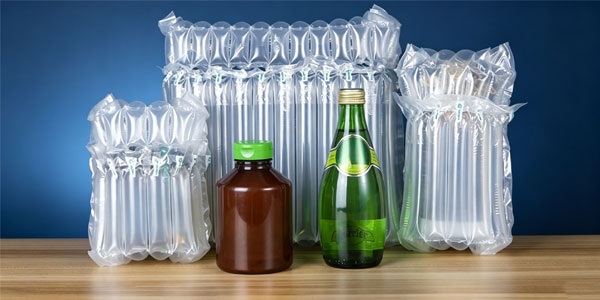
Air column bags are widely used as protective packaging materials for shipping fragile, delicate, and damage-sensitive products. By using interconnected or individually sealed air chambers, these inflatable packaging solutions help absorb impacts and reduce the risk of damage during storage, handling, and transportation.
For importers, packaging distributors, e-commerce businesses, and logistics companies, understanding the air column bag manufacturing process can help with product selection, supplier evaluation, and packaging customization.
In this guide, we explain how air column bags are generally manufactured, from raw material selection and film extrusion to heat sealing, valve integration, quality inspection, and final packaging.
What Is an Air Column Bag?
An air column bag, also known as an inflatable air column packaging bag or air column protective bag, is a cushioning packaging product designed to protect items during transportation.
It typically consists of flexible plastic film formed into multiple air chambers. Once inflated, these chambers provide cushioning around the packaged product. Many designs also incorporate a one-way air valve that helps retain air after inflation.
Depending on the application, air column packaging can be designed for wine bottles, glass containers, electronics, cosmetics, household appliances, and other fragile products.
Compared with some traditional protective packaging materials, inflatable air column bags can be supplied in a deflated state, helping reduce storage space before use.
How Are Air Column Bags Manufactured?
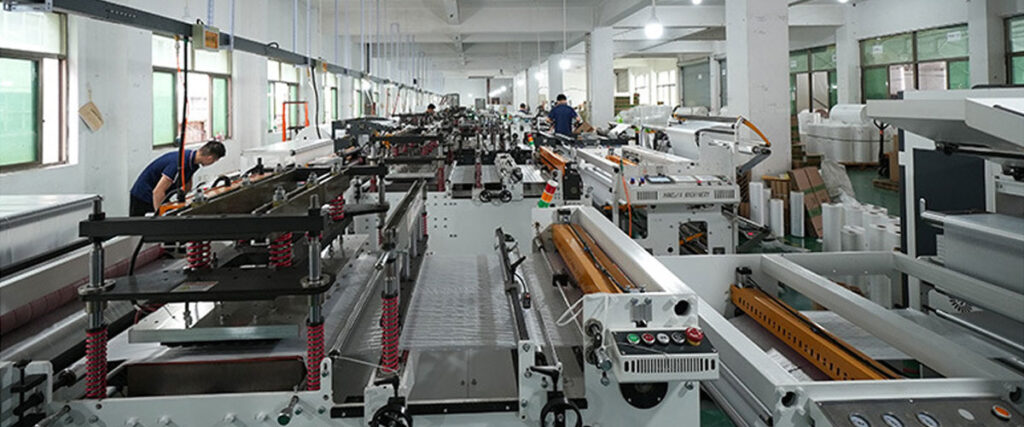
The air column bag production process varies according to the product design, film structure, equipment, and intended application. A typical manufacturing workflow includes the following stages.
1. Raw Material Selection
The first step in manufacturing air column packaging is selecting suitable film materials.
Common material structures include polyethylene (PE) and multilayer films that may incorporate polyamide (PA), depending on the required strength, flexibility, air retention, and sealing performance.
Material selection can affect several important properties:
- Puncture and tear resistance
- Flexibility and impact protection
- Heat-sealing performance
- Air retention after inflation
- Compatibility with the intended packaging application
For example, protective packaging for glass bottles may require a different shape and cushioning structure from packaging designed for electronic accessories.
When sourcing custom air column bags, buyers should confirm the proposed material structure and its suitability for the product being protected.
2. Film Extrusion and Film Preparation
Film extrusion is one possible upstream stage in the production of air column packaging materials.
In this process, plastic resin is processed through extrusion equipment to produce a film with the required thickness and physical properties. Depending on the design, manufacturers may use single-layer or multilayer film structures.
Multilayer co-extrusion can combine different material properties within one film structure. The exact composition depends on the product specifications and the performance requirements.
Important considerations during film preparation include:
- Film thickness and consistency
- Surface quality and appearance
- Tensile strength and flexibility
- Suitability for heat sealing
- Compatibility with the intended air valve design
Not every air column bag supplier manufactures its own film. Some operations purchase prepared film and focus on converting it into finished packaging products.
3. Air Column Pattern Formation
After the film is prepared, it is processed to create the required air chamber layout.
Specialized converting equipment forms sealing lines that define the individual air columns and air channels. The pattern determines the size, shape, and arrangement of the cushioning chambers.
Depending on the design, the finished structure may be used to create:
- Standard air column bags
- Bottle-shaped protective air column bags
- Custom-shaped inflatable packaging
- Air column wrap rolls
- Other inflatable protective packaging formats
The air column pattern should match the product dimensions and intended application. A well-designed structure helps distribute cushioning around the item and reduces unnecessary movement inside the package.
4. Heat Sealing and Air Valve Integration
Heat sealing is a critical stage in the air column bag manufacturing process.
Controlled heat and pressure are applied to selected areas of the film to create sealed chambers and channels. The sealing conditions must be appropriate for the film structure and equipment.
Many air column bags use a one-way air valve system. During inflation, air passes through the designated air channel into the chambers. After inflation, the valve helps restrict air from flowing back out.
The valve design, sealing pattern, and film compatibility all influence the performance of the finished packaging.
Potential defects at this stage include incomplete seals, damaged film, blocked air channels, and inconsistent chamber formation. These issues should be identified through appropriate inspection and testing.
5. Cutting, Slitting, and Shape Conversion
Once the air chamber structure has been formed, the material is converted into the required product format.
Depending on the design, this may involve cutting individual bags, slitting continuous material into narrower rolls, trimming edges, or forming a custom protective shape.
For example, a bottle air column bag needs a structure that accommodates the bottle body and provides suitable protection around vulnerable areas. An air column wrap roll, by contrast, is intended to provide flexible cushioning material that can be cut or wrapped around different products.
Custom dimensions should be confirmed before production. Relevant specifications may include product length, width, shape, air column arrangement, valve position, and packaging quantity.
6. Inflation and Quality Inspection
Quality inspection helps verify that the finished air column packaging performs as intended.
Depending on the product specification and quality control plan, inspections may include:
- Visual checks for wrinkles, contamination, and sealing defects
- Dimensional checks for length, width, and shape
- Sample inflation tests to check chamber formation
- Air retention or leakage tests
- Seal integrity tests
- Functional checks of the inflation valve
Inspection methods and acceptance criteria should be established according to the product design and agreed specifications.
For customized protective packaging, buyers may request sample evaluation before confirming a larger order. Testing the packaging with the actual product can help identify fit issues and potential weak points before shipment.
7. Folding, Roll Winding, and Final Packaging
After inspection, the finished air column bags or rolls are folded, wound, counted, and packed according to the product format.
Packaging details may include roll length, bag quantity per carton, carton dimensions, labeling, and outer packaging requirements.
For international B2B shipments, buyers should confirm the packing specifications and shipping arrangements before placing an order.
Deflated air column packaging can help reduce the space required for storage and transportation before use. However, the actual space savings depend on the product design, order quantity, and packing method.
Air Column Bag Quality Control: What Should Buyers Check?
When evaluating an air column bag supplier, it is important to look beyond appearance and price.
A practical quality evaluation may cover the following areas.
Material consistency: Confirm that the proposed film structure meets the requirements for the intended product and transport conditions.
Seal integrity: Check that the sealing lines are complete and that the chambers perform consistently during sample inflation.
Valve performance: Verify that the air valve allows inflation as intended and helps retain air after inflation.
Dimensional accuracy: Confirm that the bag or roll dimensions match the approved specifications.
Product fit: Test the packaging with the actual item, including vulnerable edges, corners, and surfaces.
Packaging and labeling: Make sure the final packing method, quantities, and shipping marks meet the purchase requirements.
For products that will travel through multiple handling stages, it is also advisable to evaluate the complete packaging system rather than relying on the air column bag alone.
What Factors Affect the Cost of Air Column Bags?
The cost of inflatable air column packaging depends on several factors rather than one fixed manufacturing parameter.
Material Structure
Film composition, thickness, and performance requirements can influence material costs.
Bag Size and Design
Larger bags and complex custom shapes may require different material usage and converting processes.
Order Quantity
Order volume can affect production planning, material purchasing, and packaging costs.
Printing and Customization
Custom printing, special labeling, and non-standard packaging requirements may affect the quotation.
Inspection and Shipping Requirements
Additional testing, special packing instructions, and international shipping arrangements can also influence the total purchasing cost.
When requesting a quotation, buyers should provide product dimensions, intended application, estimated order quantity, and any special protection requirements. This information makes it easier to compare quotations on a consistent basis.
Custom Air Column Bags for Different Packaging Applications
Different products require different protective packaging structures. Selecting a suitable design can help improve product fit and reduce unnecessary packaging material.
Common applications include:
- Glass bottles and wine bottles: Shaped air column bags can provide cushioning around the bottle body during transportation.
- Electronics and accessories: Protective inflatable packaging can help reduce movement and impacts during shipping.
- Cosmetics and personal care products: Custom dimensions can help accommodate different bottle and container shapes.
- Household products: Air column packaging can be selected according to product size, weight, and shipping requirements.
- E-commerce shipments: Inflatable cushioning materials can be incorporated into packaging workflows for fragile products.
The appropriate solution depends on the product’s dimensions, fragility, weight, shipping route, and outer carton design.
How to Choose the Right Air Column Bag Supplier
When sourcing air column packaging materials internationally, buyers should evaluate more than the quoted unit price.
Consider asking potential suppliers the following questions:
- What film structure and thickness are available for the intended application?
- Can the air column bag be customized to fit the product dimensions?
- Are samples available for fit and performance evaluation?
- What quality inspection procedures are used?
- What are the minimum order quantity and lead time?
- Can the supplier provide the required packing specifications for export shipments?
Clear communication about product requirements can help reduce misunderstandings and support a smoother purchasing process.
For buyers who need more than one type of protective packaging material, comparing suitable formats may also help create a more efficient packaging solution.
Frequently Asked Questions About Air Column Bag Manufacturing
1. What materials are used to make air column bags?
Air column bags commonly use PE film or multilayer film structures that may combine PE with PA or other suitable materials. The exact material selection depends on the required flexibility, strength, air retention, and sealing performance.
2. How does the air valve work in an air column bag?
Many air column bags use a one-way valve design. Air enters through the designated inflation channel, and the valve helps limit reverse airflow after inflation. The specific valve structure varies by product design.
3. How is air column packaging quality tested?
Typical checks may include visual inspection, dimensional measurement, sample inflation, air retention testing, seal integrity checks, and valve performance evaluation. The inspection plan should reflect the agreed product specifications.
4. Can air column bags be customized?
Yes. Depending on the supplier’s capabilities, customization may include dimensions, shape, air column layout, film structure, valve position, printing, and packing requirements. Buyers should confirm available options before ordering.
5. Are air column bags suitable for international shipping?
Air column bags can be used for many international shipping applications involving fragile or damage-sensitive goods. The appropriate design depends on the product, carton, handling conditions, and transportation risks. Sample testing is recommended for important or high-value shipments.
6. What information is needed to request a quotation for custom air column bags?
Buyers should provide product dimensions, product weight, intended application, estimated order quantity, required packaging shape, and any special material or printing requirements. Product photographs or drawings can also help clarify the packaging design.
Conclusion
Understanding the air column bag manufacturing process helps buyers make more informed decisions when sourcing protective packaging materials.
From film preparation and chamber formation to heat sealing, valve integration, cutting, and quality inspection, each stage contributes to the consistency and suitability of the finished product.
For businesses sourcing custom air column bags, the most important considerations are product fit, material requirements, sealing performance, quality inspection, and the conditions the package will encounter during transportation.
Green GaoShu provides information and sourcing support for protective packaging solutions, helping buyers explore suitable packaging options according to their product and purchasing requirements.
Looking for custom air column bags for your products? Contact Green GaoShu to discuss your packaging dimensions, application, and quotation requirements.